
Practical property care
Property handover in Marbella: prepare a practical inspection checklist
A property handover is easier to manage when you arrive with a clear plan for what to observe, photograph and collect. Whether you are receiving an apartment, a villa or a recently renovated second home, your property handover checklist in Marbella should create a useful record rather than rely on memory. Start with access and documents, work through each space in a consistent order, and finish with a written list of outstanding questions and follow-up actions.
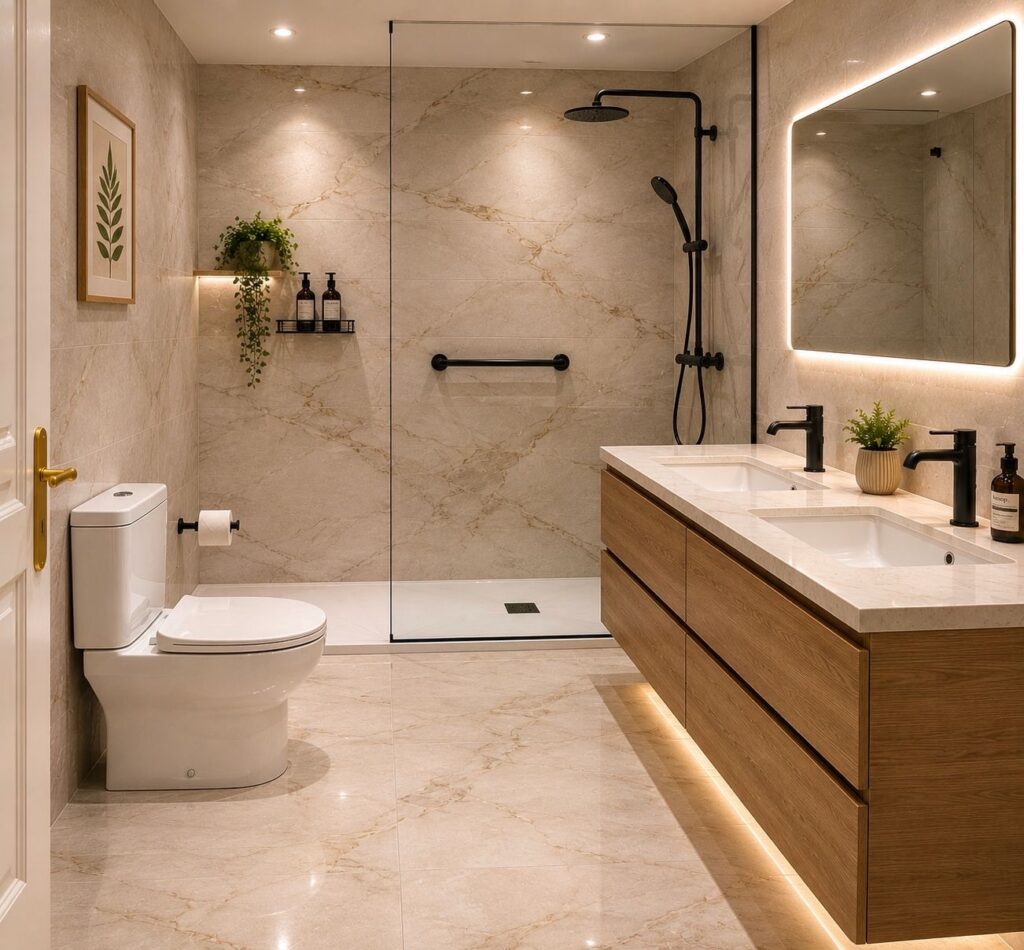
Use a numbered observation list so every photograph and follow-up message refers to the same item.
Ask for demonstrations and documents; do not assume that equipment works because it looks complete.
Finish with a shared record of outstanding points, responsibilities and access arrangements.
Prepare your property handover checklist in Marbella
Before the appointment, gather the documents that describe what you expect to receive: an inventory, agreed specification, equipment list or renovation scope, where available. Use these to frame questions, not to make legal conclusions about what must be provided.
Bring a charged phone, a torch and a checklist you can edit on site. Agree whether water and electricity will be available and whether someone familiar with the property can demonstrate its systems. If you are attending remotely, ask for a live walkthrough alongside photographs.
Plan a repeatable route: entrance, each room, bathrooms, kitchen, terraces and accessible external areas. For a villa, include accessible gates and outbuildings. For an apartment, distinguish the property itself from shared areas that may need a separate contact.
- Record the property address, appointment date and people attending.
- List spaces or equipment that you expect to inspect.
- Identify any access restrictions before starting.
Record observations that someone else can understand
Give each observation a unique reference and an exact location. “Bedroom window problem” is difficult to act on. “Bedroom facing terrace: left-hand window does not close fully during demonstration” describes what happened without guessing the cause.
Take an overview photograph to establish the location, then a close-up showing the detail. Keep the original files and label them against your list. Where a moving part or sound matters, a short video may explain more than a still image.
Separate visible damage, incomplete work, operating concerns and unanswered questions. Mark anything you could not check as “not tested”, with the reason. A dry tap when the water supply is off is not evidence of a defective tap.
Describe rather than diagnose. Staining, cracks or a persistent smell may justify further assessment, but a handover observation alone does not establish their cause, seriousness or remedy.
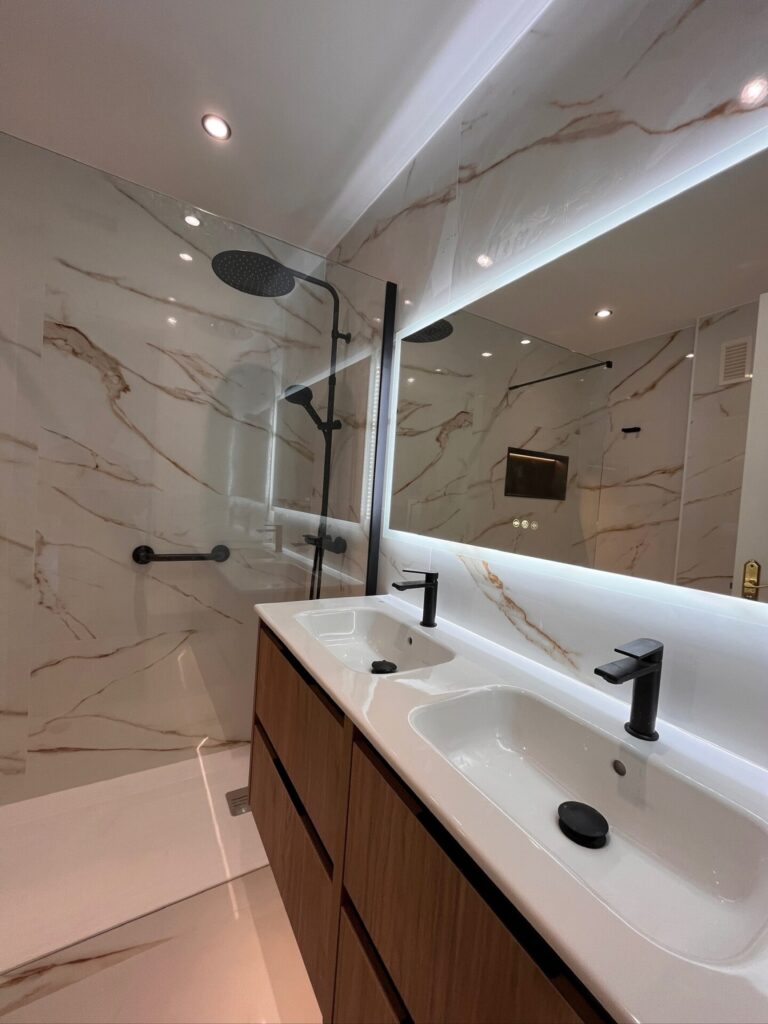
Walk through finishes, fittings and accessible outdoor areas
In each room, look at walls, ceilings and floors under the available light. Note chips, marks, unfinished edges, loose fittings or visible staining. Open and close accessible internal doors, windows and fitted cupboards without forcing anything.
Check that handles, catches and shutters can be demonstrated. Look at glazing and visible seals, recording damage or gaps rather than assuming their effect on weather resistance. Where furniture blocks access, note the limitation instead of leaving a blank entry.
On terraces and other accessible outdoor spaces, record surface condition, visible drainage openings, exterior fittings and any items left unfinished. Ask how shutters, awnings or irrigation controls operate where fitted. Do not climb onto roofs, remove covers or enter restricted areas.
Keep decorative observations separate from concerns needing specialist attention. If something appears unsafe, stop using it and request an appropriate assessment rather than attempting further tests.
| Area | What to record | Useful supporting detail |
|---|---|---|
| Access | Keys, remotes and access devices received | Quantity, purpose and whether demonstrated |
| Rooms and finishes | Visible damage, incomplete items and operating concerns | Exact location and linked photographs |
| Equipment | Demonstrated functions and untested items | Controls used and reason for any testing limitation |
| Documents and readings | Files received, documents requested and meter readings | Equipment or meter identifier where available |
| Follow-up | Outstanding questions and proposed actions | Responding person, status and access arrangements |
Ask for equipment demonstrations, not assumptions
In kitchens and bathrooms, ask for taps, showers and accessible appliances to be demonstrated where services are connected. Observe whether water flows and drains during normal use, and look for visible drips around accessible connections. Avoid dismantling fittings or opening service panels.
Ask someone familiar with the property to show you heating, cooling, ventilation and hot-water controls. Record the settings used, what you observed and any questions. A brief demonstration is not proof of long-term performance, concealed condition or suitability.
For pools, powered gates, alarms or other specialist equipment, request operating instructions and the relevant service contact. Do not change unfamiliar settings simply to see what happens. Record equipment that was not demonstrated.
Keep this exercise within its purpose: documenting visible condition and basic operation. It is not a structural survey, an electrical inspection or confirmation of regulatory compliance.
Collect keys, readings and a usable document pack
Count and identify the keys and access devices actually handed over. Include entrance keys, gate remotes, garage controls, mailbox keys and any communal access devices. Check which opening each one serves and record missing or unidentified items.
Photograph accessible meter readings with the meter identifier where visible. Note the date and which supply each reading relates to, if confirmed. For an apartment, ask how the relevant meter is identified rather than assuming a nearby meter belongs to you.
Request available manuals, equipment references, maintenance instructions, inventories and relevant contact details. Keep a separate list of documents still requested. If documents have legal significance or require interpretation, seek qualified advice rather than treating this practical checklist as legal guidance.
- Confirm how digital controls or app access will be transferred without recording passwords in a shared observation list.
- Ask who handles shared-area questions and maintenance enquiries.
- Store documents and photographs in clearly labelled folders.
Close the handover with a clear follow-up record
Before leaving, review the observation list with the people present. Distinguish points acknowledged on site from those still awaiting a response. Record who is expected to reply and any proposed next step, without presenting an unconfirmed arrangement as an agreement.
Share a readable summary with the supporting photographs. Keep the original observations when adding later updates, so the record shows what was seen at handover and what changed afterwards. Arrange how any follow-up access will work, especially if you live outside Spain.
For an international owner, this record also helps organise ongoing property care. LookHome MS presents home inspections in Marbella, including handover and snagging checks, visible condition observations and a follow-up report for overseas owners. Its Home inspections page is a direct starting point for discussing this support.
Explain the property, the agreed handover date and the spaces that will be accessible. Confirm the proposed scope, the reporting format and any specialist assessment needed. A practical handover visit remains separate from legal advice or a structural diagnosis.
Your questions answered
Is a handover checklist the same as a structural survey?
No. It records visible observations, basic demonstrations and information received. It does not assess structural integrity, hidden defects or compliance. Concerns requiring technical diagnosis should be referred to an appropriate specialist.
What if electricity or water is unavailable?
Mark the affected equipment as not tested and state why. Photograph what is accessible, request the relevant instructions and arrange a further demonstration. Do not record an item as working or faulty without supporting observations.
Can I organise a handover while outside Spain?
You can arrange for someone to attend and document it, subject to access arrangements. Agree the checklist, photograph labels and reporting format beforehand. Request a clear list of anything that could not be inspected or demonstrated.
What should I do with unresolved observations?
Keep them in a numbered follow-up list with photographs, questions and the person expected to respond. Update their status without deleting the original record. Get qualified advice if an issue raises legal or specialist technical questions.
Discuss your property project
Contact LookHome to discuss property care or renovation coordination on the Costa del Sol. Share your handover observations and the support you are looking for so the appropriate scope can be discussed.